Tracing European Ancestors Using Ship Manifests
One of the most challenging aspects of genealogy research is tracing your ancestors back to their country of origin. If you have European ancestors who emigrated to the United States in the 1700-1900s, one of the best sources of information is ship records and ship manifest records.
Ship records and ship manifest records provide a wealth of information about your immigrant ancestors, including their name, age, occupation, place of birth, destination, and more. By analyzing these records, you can learn more about your ancestors’ journey to America, their reasons for emigrating, and the communities they joined upon arrival.
European Records Context
Before diving into specific collections, it is important to understand the context in which these records were created. From the 1700s to the early 1900s, millions of Europeans emigrated to the United States in search of better economic opportunities, religious freedom, and political stability. The majority of these immigrants came from Germany, Ireland, Italy, the Scandinavian countries, and Eastern Europe. Many of them traveled by ship, and the ship manifests and passenger lists created by the shipping companies and the US government have survived and can provide an invaluable resource for genealogical research.
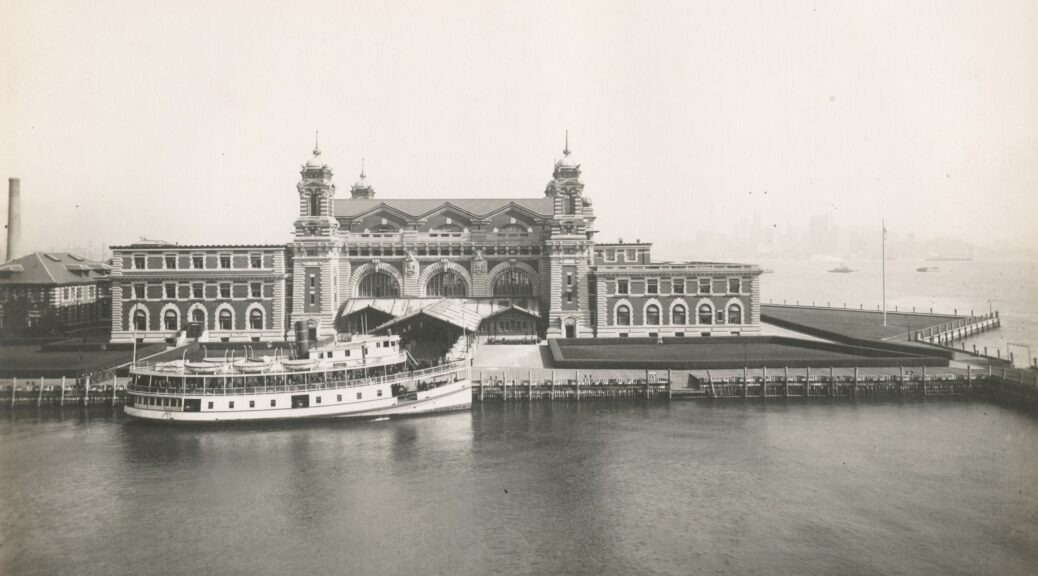
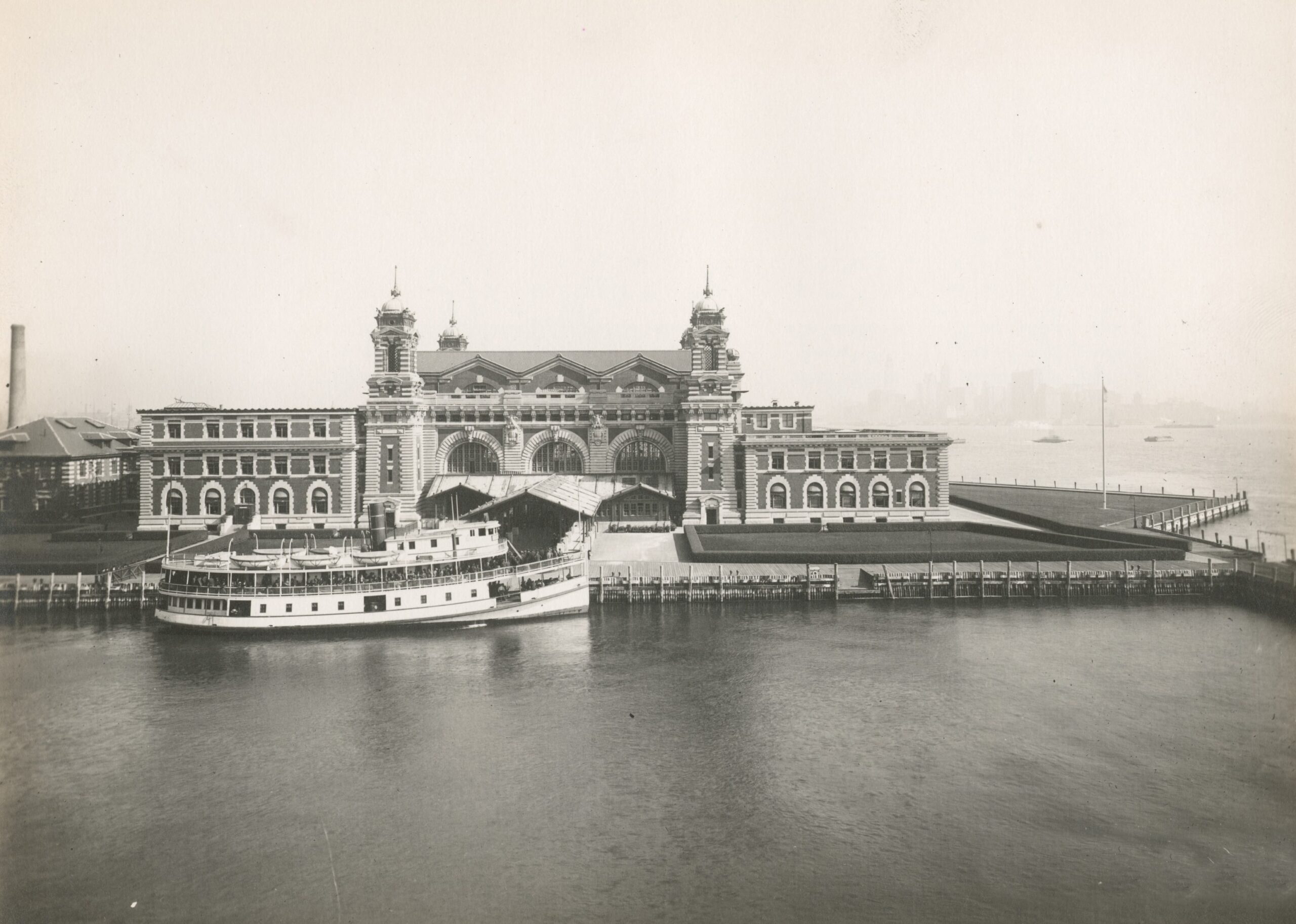
Ellis Island Records
One of the best collections of ship records and passenger lists is the Ellis Island Records. Ellis Island was the main point of entry for immigrants to the United States from 1892 to 1954. During that time, over 12 million immigrants passed through Ellis Island, and their names were recorded in the Ellis Island passenger manifests. These records provide a wealth of information about your ancestors, including their name, age, occupation, marital status, last residence, and the name of the ship they traveled on.
The Ellis Island records can be accessed online for free through the Ellis Island Foundation’s website. The site includes a search engine that allows you to search for your ancestors by name, date of arrival, and other details. The search results will provide you with a digitized copy of the original passenger manifest, which you can use to verify your ancestor’s information and learn more about their journey to the United States.
Castle Garden Immigration Center Records
Another collection of ship records that can be useful for genealogical research is the Castle Garden Immigration Center Records. Castle Garden was the first official immigration center in the United States, operating from 1855 to 1890. During that time, over 8 million immigrants passed through Castle Garden, and their names were recorded in passenger lists similar to those used at Ellis Island.
The Castle Garden records are available online through the website of the Battery Conservancy, which maintains an extensive database of digitized passenger lists. Like Ellis Island, the Castle Garden records include information about your ancestor’s name, age, occupation, and the name of the ship they traveled on.

National Archives and Records Administration (NARA)
In addition to these two main collections, there are many other resources for ship records and passenger lists. For example, the National Archives and Records Administration (NARA) has a collection of ship passenger lists that cover the years 1820-1957. These records can be accessed through the NARA website or at one of their research facilities across the United States.
Hamburg Passenger Lists
Other resources for ship records include the Hamburg Passenger Lists, which cover the years 1850-1934 and include over 5 million records of German immigrants to the United States, Canada, and other countries. These records are available online through the Hamburg State Archive’s website.
Italian Genealogical Group
If you have ancestors from Italy, you may want to check out the Italian Genealogical Group’s website, which has a database of ship manifests for Italian immigrants to the United States. This database covers the years 1892-1924 and includes over 1.5 million records.
Eastern European Ancestors
Finally, if you are researching your Eastern European ancestors, you may want to look into the Immigrant Ships Transcribers Guild, a volunteer organization that has transcribed passenger lists from ships that brought immigrants to the United States from the late 1800s to the early 1900s. These records are available on their website and can be searched by passenger name or ship name.
Once you have located a passenger list or ship manifest that includes your ancestor, it is important to carefully analyze the information contained in the record. One important piece of information is the name of the ship that your ancestor traveled on. This can be useful for locating additional records, such as the ship’s arrival and departure records, which may provide further details about your ancestor’s journey.
Last Known Residence
Another important piece of information to look for is your ancestor’s place of birth or last residence. This can help you to identify the town or village where your ancestor came from, which is a key piece of information for further research. In some cases, the passenger list may also include the name of a relative or friend who was already living in the United States, which can be a valuable clue for tracking down additional records.
Spelling
It is also important to note that passenger lists and ship manifest records are not always completely accurate. Names may be misspelled or anglicized, and ages may be incorrect. It is important to cross-check information with other records, such as census records, naturalization records, and church records, to verify the information contained in the passenger list.
Conclusion
In conclusion, ship records and ship manifest records can provide a wealth of information about your European ancestors who emigrated to the United States in the 1700-1900s. By using resources such as the Ellis Island Records, the Castle Garden Immigration Center Records, and other collections, you can learn more about your ancestors’ journey to America, their reasons for emigrating, and the communities they joined upon arrival. It is important to carefully analyze these records and cross-check information with other sources to ensure their accuracy. With a little patience and persistence, ship records and passenger lists can help you to connect with your ancestors and uncover your family history.
One thought on “Tracing European Ancestors Using Ship Manifests”