Browsed by
Category: British Research

Norfolk Family History Society – Who, What, Why?

Norfolk Family History Society – Who, What, Why?

The Norfolk Family History Society (NFHS) is a non-profit organization that aims to promote and encourage the study of family history, genealogy, and local history in Norfolk, a county in the East of England. The society was founded in 1976, and since then, it has been providing resources and support to people interested in researching their family history. In this blog post, we will explore the history of the Norfolk Family History Society and discuss the unique records and skills…

Read More Read More

Tracing European Ancestors Using Ship Manifests

Tracing European Ancestors Using Ship Manifests

One of the most challenging aspects of genealogy research is tracing your ancestors back to their country of origin. If you have European ancestors who emigrated to the United States in the 1700-1900s, one of the best sources of information is ship records and ship manifest records. Ship records and ship manifest records provide a wealth of information about your immigrant ancestors, including their name, age, occupation, place of birth, destination, and more. By analyzing these records, you can learn…

Read More Read More

Burke’s Landed Gentry: A Guide to Tracing Your Ancestry and Building Your Family Tree

Burke’s Landed Gentry: A Guide to Tracing Your Ancestry and Building Your Family Tree

Genealogy is the study of one’s ancestry and family history, and Burke’s Landed Gentry is a crucial resource for anyone interested in tracing their roots and building their family tree. The publication, which has been in existence since 1826, is a comprehensive guide to the genealogy of the gentry and aristocracy of the British Isles. It contains information on thousands of families and individuals, and is an invaluable resource for genealogists, historians, and anyone interested in learning more about their…

Read More Read More

30 Spanish Surnames Found in the United Kingdom and Their Origins

30 Spanish Surnames Found in the United Kingdom and Their Origins

Spain has a rich and diverse cultural heritage, and this is reflected in the many Spanish surnames found in the United Kingdom today. Whether you have Spanish ancestry or simply want to learn more about the history of Spanish surnames in the UK, this guide will help you explore some of the most common Spanish surnames and their origins. 30 Spanish Surnames, Where They Originate and Their Meanings It is important to note that the meaning and origin of a…

Read More Read More

30 Italian Surnames Found in the United Kingdom and Their Origins

30 Italian Surnames Found in the United Kingdom and Their Origins

Italian immigration to the United Kingdom has a long and rich history dating back to the 19th century. Over the years, thousands of Italian families have settled in various parts of the UK, bringing with them their unique cultural traditions and family names. In this blog post, we will explore the most common Italian surnames found in the United Kingdom and the regions from which they originated. When tracing your Italian ancestry in the UK, it’s important to keep in…

Read More Read More

5 Places to Access the 1921 UK Census and Track Ancestors Living in 1921

5 Places to Access the 1921 UK Census and Track Ancestors Living in 1921

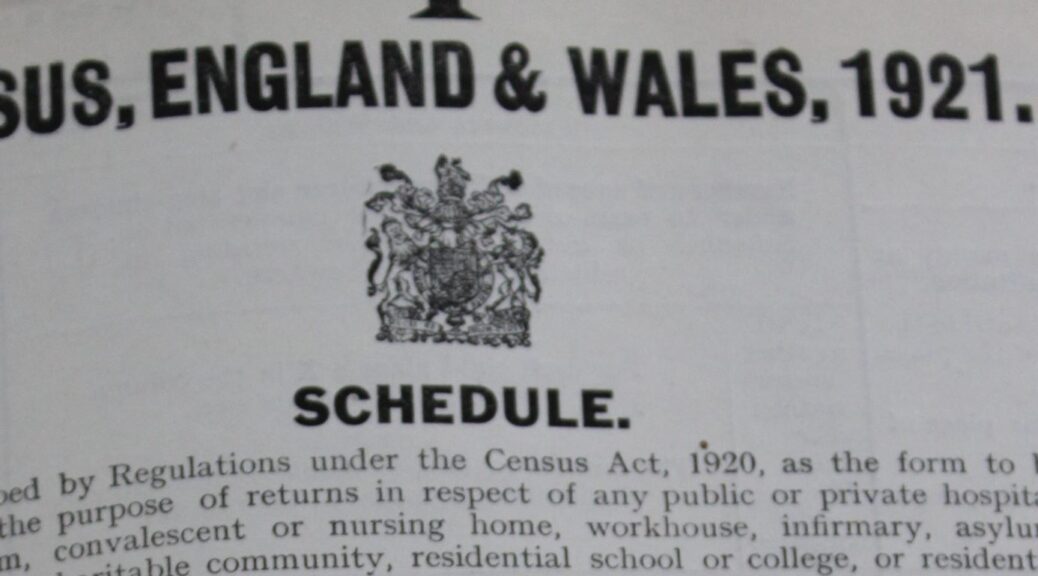
The UK Census is a population survey that is conducted every ten years and provides a wealth of information about the country’s population. The 1921 Census is particularly significant because it was the first census taken after the end of World War I and provides a snapshot of the country’s population in the aftermath of the conflict. In this blog post, we will look at where you can find the UK British 1921 Census and how to access the information…

Read More Read More

9 Rare and Strange Surnames from the United Kingdom

9 Rare and Strange Surnames from the United Kingdom

The United Kingdom has a rich history of unique and unusual and rare surnames, many of which have interesting origins and tales behind them. Some of the most peculiar surnames found in the UK include names such as Dangerfield, Dingle, and Ditchburn. Dangerfield, Dingle, and Ditchburn. The surname Dangerfield is thought to have originated from the Anglo-Saxon word “dangere,” meaning “danger.” This rare surname was likely given to someone who lived in a dangerous or treacherous area. The surname Dingle…

Read More Read More

Searching The UK Protestation Returns of 1641/1642

Searching The UK Protestation Returns of 1641/1642

The UK Protestation Returns of 1641/1642 are the closest thing that we have to a census. If you are lucky enough to have traced your ancestry back to this time and you know the exact parish that they lived in, then it could be worth taking a look at these records to see if their names appear in them.   In 1641 by order of the House Of Commons, every adult male was asked to declare an oath of allegiance to the…

Read More Read More

How To Know Which GRO Index Is The Correct One

How To Know Which GRO Index Is The Correct One

Which GRO Index is the correct one? This post relates to the Birth and Death Indexes in England & Wales. Often when searching the GRO Indexes or searching for people with particularly common surnames you might find yourself with a few, possibilities as to which is the correct certificate. Most people will guess and hope for the best, if it’s not one then they’ll buy another until they have the correct one. But there are actually a few tricks you…

Read More Read More

What Sources You Should Be Looking At In 15th-17th Century English Research

What Sources You Should Be Looking At In 15th-17th Century English Research

There are many additional sources you can use for pre 17th century English research. Most people can trace their tree back to at least the 1800s using conventional methods such as Birth/Marriage/Death and Census records but not many realise they can go back a lot further than this using other record collections. Most records still need a visit to an Archive especially older more specialist ones as they aren’t often digitised, and when they are they haven’t always been transcribed…

Read More Read More